19 May 2026 · Vrithik Prince
What Restaurants in Ahmedabad Should Know Before a Food Shoot
Most food photos go wrong before the shutter clicks. A field guide for restaurants in Ahmedabad - what to brief your photographer, what light to shoot in, and what nobody tells you about styling.
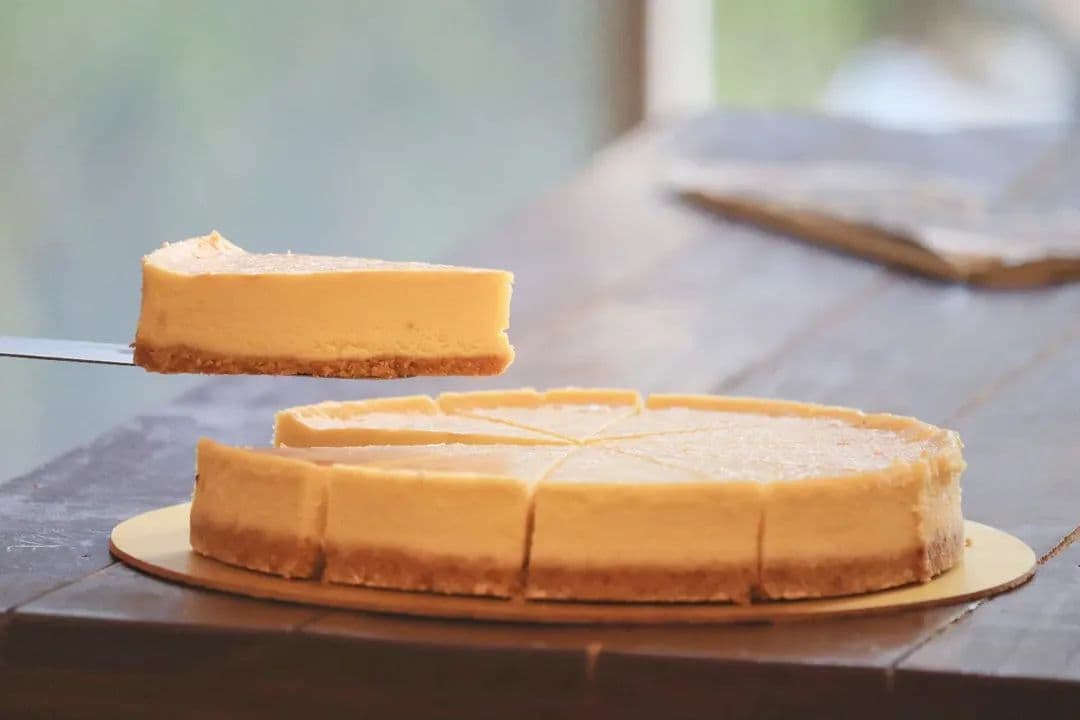
Most food photos go wrong before the shutter clicks. The dish is plated to look correct, not to look photographed. The light is whatever the kitchen has at 3pm. The brief is "shoot the menu." And then everyone wonders why the photos don't move.
If you run a restaurant in Ahmedabad and you're planning your first proper shoot - or your fifth one that finally has to count - this is the field guide we wish more clients had read before walking onto set with us.
Why most restaurant food photography under-performs
Three reasons. Almost always.
One: it's shot to document, not to seduce. A photo on Zomato or Swiggy is fighting for thumb-stops against hundreds of dishes that look approximately the same. "Accurate" doesn't win. Texture wins. Steam wins. The bite already taken out wins. If your photographer is treating the dish like an ID card, you've already lost.
Two: it's lit by accident. Most kitchens have warm tungsten overheads or harsh white LEDs. Both flatten food. Good food photography is built on directional, soft light - usually from a single source - that picks out the surface of every component. Window light in the morning, or a diffused strobe at any time. It doesn't matter if the camera is a flagship Sony or a five-year-old Canon. The light is what makes the dish look edible.
Three: nobody decided what the photo is for. A square close-up that owns Instagram is the wrong photo for your printed menu. A wide environmental shot that feels right on your hero website is the wrong photo for Google Maps. The brief comes before the shot list, and the shot list comes before the lens.
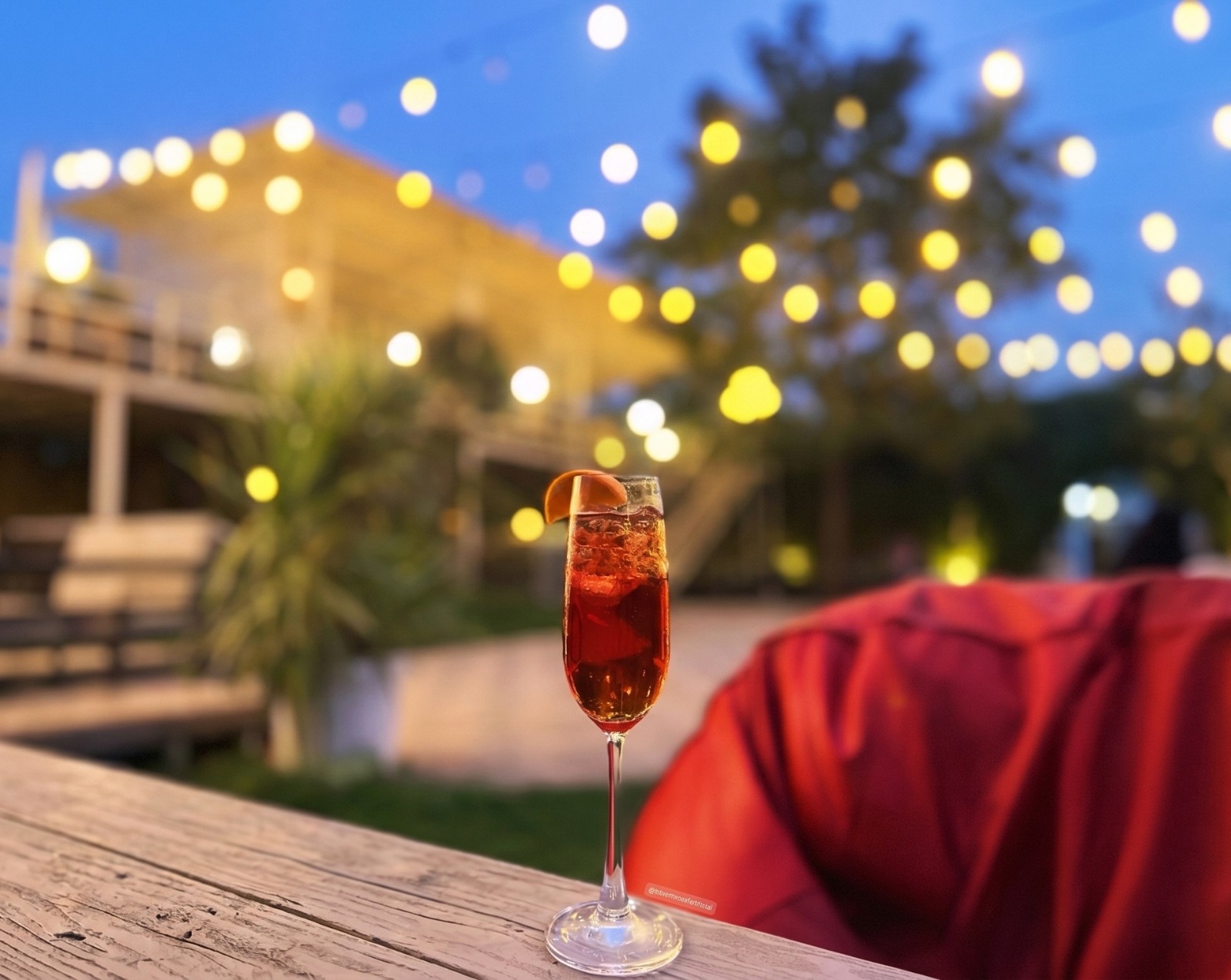
The brief - what to give your photographer before the shoot
Don't hand them a Pinterest board. Hand them three things.
What you're really selling
The honest version. If the dish is a heritage Gujarati thali, you're selling familiarity and abundance. If it's a fusion small plate at a new bar, you're selling novelty and confidence. If it's a midnight tikka roll, you're selling craving at 11pm. Each of those is a different mood, a different colour temperature, a different angle. Naming it out loud changes every decision on set.
Where the photos will live
List every surface, in order of priority. Instagram grid? Reels covers? Zomato listing card? Swiggy thumbnail? Printed menu? Outdoor hoarding? Google Business profile? Each platform has a different aspect ratio, a different reading distance, and a different competitive set. A shoot that has to feed all of them needs a longer shot list and probably two different lighting setups - not the same image cropped seven ways.
How long you need these photos to work
A photo for a seasonal monsoon menu and a photo for your evergreen signature dish are not the same investment. The signature photo will be on your wall, your website, your delivery packaging, your hoardings on SG Highway, for years. The monsoon photo runs for eight weeks and gets retired. Budget accordingly.
Light is more important than the camera
Every food photographer in Ahmedabad will tell you this and you should believe them. The difference between a flat, lifeless plate and a photo that makes someone scroll back is almost always the light, not the body. Specifically:
A single, directional source - usually 45 degrees to one side. Sometimes from directly behind, lighting through the food, which is how steam and translucent sauces get their drama.
Diffused, not point-source - through a softbox, a scrim, or a thin curtain. Hard sun on food looks like a passport photo.
Controlled fill on the shadow side - a single white reflector, not a second light. The shadow side is where mood lives. Don't kill it.
You can shoot beautiful food on a phone with great light. You cannot shoot beautiful food on a top-end camera with terrible light. If your would-be photographer leads with their gear list, that's a flag.
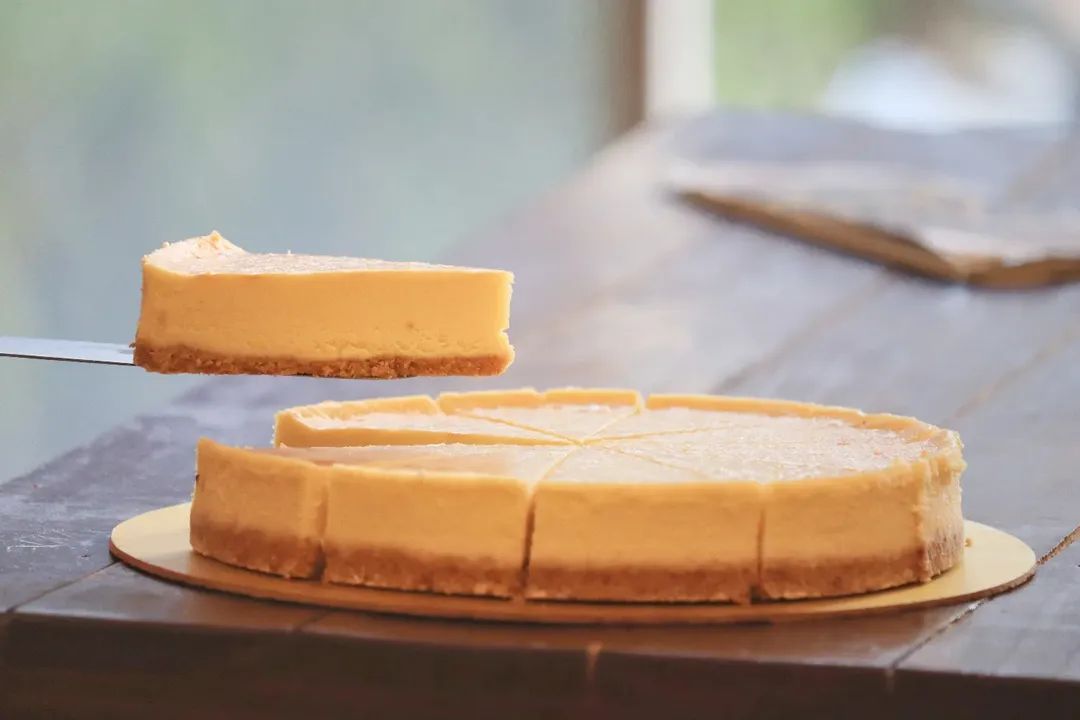
Styling - the stuff nobody tells you
The dish that arrives from the kitchen is almost never the dish that gets photographed. Here's the gap most restaurants don't budget for:
A second portion of every dish. The first one gets plated, photographed, and goes cold within seven minutes. The second one is the hero shot, plated again with adjustments based on what the camera revealed.
A food stylist or a trained pair of hands. Someone who knows that herbs are placed not sprinkled, that ice cream is replaced by mashed potato or shortening when the lights warm up, that the rim of a coffee cup is wiped between every frame.
Surface and prop kit. A weathered wooden board, a piece of black slate, a linen napkin in three colours, two or three vintage spoons. The dish does not exist in a vacuum. The frame around it carries half the meaning.
A 4-hour kitchen shoot that produces 6 hero images is normal. A 1-hour run-through that produces 20 dish photos is documentation, not photography.
In-house vs. freelancer vs. agency
A real conversation. You have three paths:
A friend with a camera. Free or near-free. Works for one-off social posts. Will not produce assets you can put on a hoarding without re-shooting them in a year.
A freelance photographer. ₹15,000 to ₹50,000 per day in Ahmedabad, depending on experience. Often gear-rich but light on styling and brief development. Great if you have a strong in-house art director who can compensate.
A full agency. ₹60,000 to ₹2,50,000+ for a structured shoot - pre-production call, brief development, mood board, on-set art direction, post-production, deliverables sized for every platform you need. The cost difference buys you the hours nobody bills for: the conversation before the shoot, the second plating, the colour grade on every export, the strategist who told you not to shoot the dosa at all.
There's no universally right answer. There's a right answer for the dish, the deadline, and where the photo has to perform.
What to budget for in Ahmedabad in 2026
For a small restaurant or café preparing a full menu refresh, plan for:
Pre-production - brief development, mood board, shot list. ₹5,000–₹15,000 (or folded into the agency fee).
Shoot day - 4–8 hours, photographer, lighting, stylist, digital tech if needed. ₹35,000–₹1,80,000.
Post-production - colour grade, retouch, platform-specific exports. ₹15,000–₹50,000.
Re-shoots and edits - budget 10–15% on top for the inevitable can we redo the cheesecake.
A reasonable all-in for a working restaurant in Ahmedabad: ₹85,000 to ₹2,50,000 for a shoot you can live off for a year. Below that, you're probably making documentation. Above that, you're often paying for production values your audience can't see.
A last thing
Food photography is a craft that gets credit for the wrong skills. The camera is the cheapest part. The lens is the cheapest part. The thing that costs is the half-day before the shoot when someone sits across from you and asks what the dish is actually for. And then has the discipline to throw out the photos that are merely correct.
If you're a restaurant in Ahmedabad starting that conversation, we'd be glad to be on the other side of the table.